
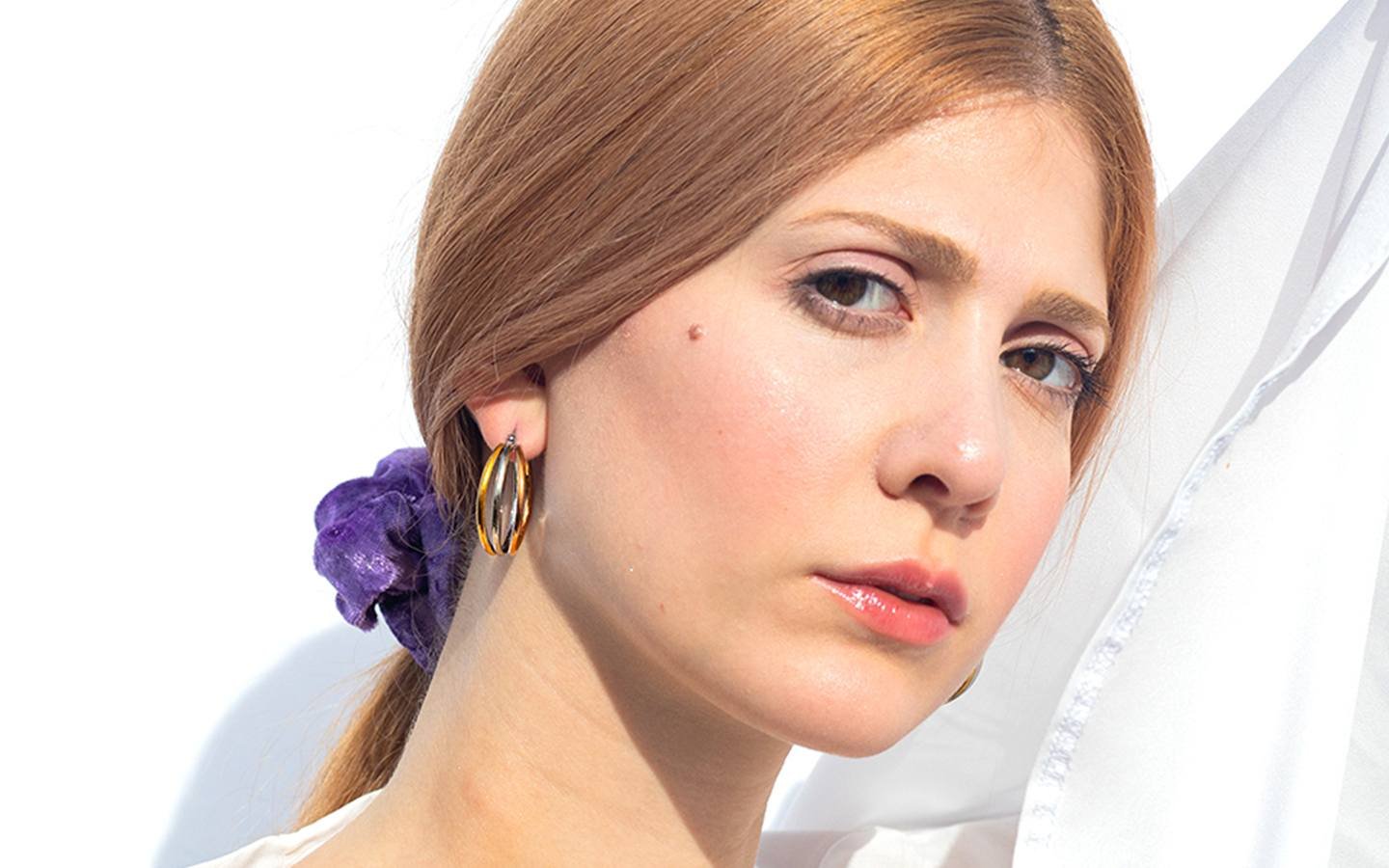
Silver jewellery has always held a timeless place in Indian homes—worn daily, gifted with love, and passed down across generations. Yet, when shopping today, one question arises again and again: What does 925 sterling silver actually mean?
Understanding this single number can transform how you view, choose, and cherish silver jewellery.
What 925 Sterling Silver Really Means
Sterling silver is an alloy made of 92.5% pure silver, strengthened with a touch of copper. This balance ensures durability while preserving silver’s natural brilliance. The “925” stamp is the global hallmark of authenticity, ensuring that the piece meets the highest standards for fine jewellery.
Why Pure Silver Isn’t Ideal for Jewellery
High‑purity silver is best suited for ceremonial objects, coins, or idols. Jewellery, however, must endure daily wear. Rings, chains, and anklets crafted in sterling silver offer resilience and elegance, making them ideal for everyday luxury.
The Global Standard of 925
Across cultures, 925 sterling silver jewellery has become the preferred choice. Its bright lustre, strength, and compatibility with both traditional and modern designs make it versatile. Whether it’s oxidised silver earrings, a silver chain for men, or a delicate silver anklet, sterling silver ages gracefully, often developing a soft patina that adds character.
Gold‑Plated Sterling Silver Jewellery
For those who love the warmth of gold but appreciate the authenticity of silver, gold‑plated sterling silver jewellery offers the perfect middle ground. A layer of gold is plated over 925 silver, giving the piece a rich golden finish while retaining the strength and value of sterling silver beneath.
This makes it ideal for buyers who want the look of gold without the full investment, or who enjoy mixing metals in their collection. Premium gold‑plated silver rings, earrings, and necklaces often sit beautifully in the ₹5,000–₹15,000 range, offering accessible luxury with artisanal craftsmanship.
Buying Sterling Silver with Confidence
When investing in silver jewellery, look for the 925 stamp or BIS hallmark in India. For gold‑plated silver, ensure the plating is done with care and thickness—so the finish lasts beautifully. Trusted jewellers and curated online boutiques provide transparency in both purity and plating quality.
Why Sterling Silver Fits Everyday Indian Wear
India’s climate and lifestyle demand jewellery that adapts. Sterling silver and gold‑plated silver both complement cotton sarees and silk alike, move effortlessly from office to celebration, and become part of your daily rhythm. Unlike occasional display pieces, these are jewels that live with you.
At Nispaditha, every piece of 925 sterling silver jewellery—whether pure or gold‑plated—is chosen deliberately. Our designs honour silver’s cultural depth while fitting seamlessly into contemporary life. Jewellery here is not just about shine—it is about presence, meaning, and the quiet elegance of pieces that grow with you.
Understanding Sterling Silver More Deeply
Is 925 sterling silver good for daily wear?
Yes. Sterling silver is crafted to balance beauty with strength, making it ideal for everyday use.
Does sterling silver tarnish?
It does, naturally. But tarnish can be polished away easily, and regular wear often keeps silver brighter.
How do I know if my jewellery is authentic?
Look for the 925 stamp or BIS hallmark. For gold‑plated silver, ask about plating thickness and quality.
Is sterling silver valuable?
Yes. It carries intrinsic metal value linked to global prices, while also offering cultural and emotional significance.
Why choose gold‑plated silver jewellery?
Gold‑plated silver offers the luxury look of gold at a more accessible price point, while retaining the authenticity of sterling silver underneath. It’s perfect for those who want versatility in their collection.